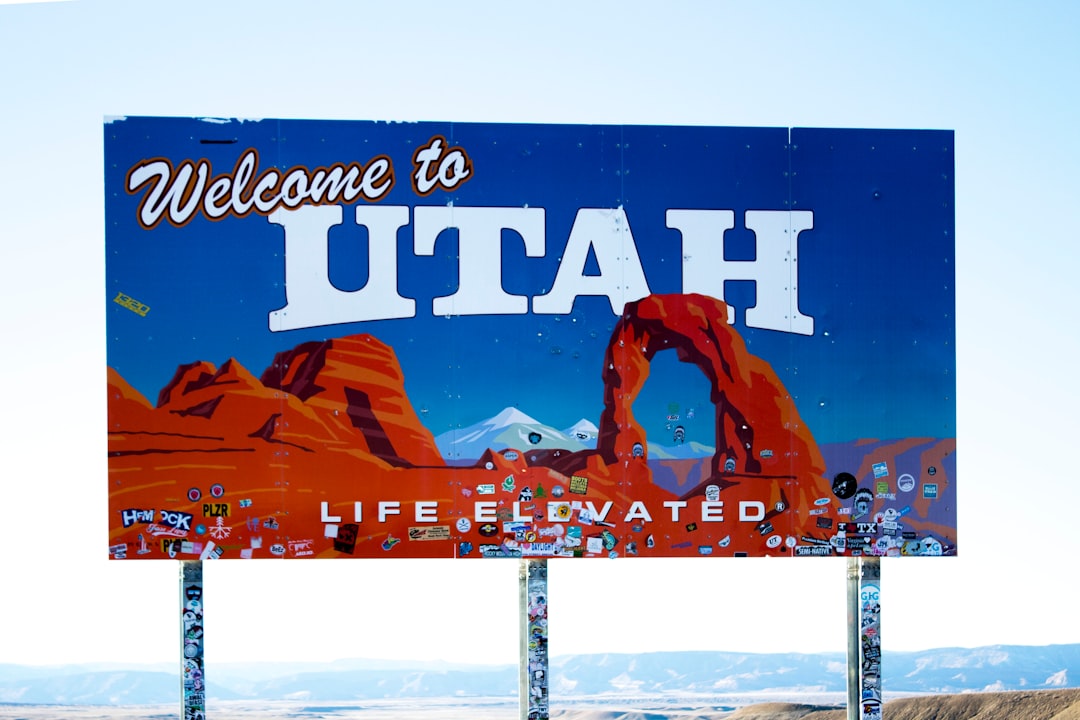
Utah's Telemarketing Laws: Protecting Residents from Intrusive Calls
– Do Not Call List: 5-year protection against unwanted calls, fines for non-compliance up to $100/day.
– Strict Rules: Regulate call timing, content, and frequency, especially automated messages without consent.
– Compliance Requirements: Companies must identify themselves, obtain verbal consent for certain pitches.
– Legal Consequences: Non-compliance leads to legal action by Utah Attorney General's Office, substantial fines, and reputation damage.
– Consumer Rights: Residents can register on National Do Not Call Registry, keep detailed call records, consult a Do Not Call Attorney Utah for legal options.
– Enforcement: Utah Attorney General's Office monitors and investigates violations with significant penalties up to $50,000 per violation.
– Best Practices: Honor do-not-call requests, maintain detailed records, obtain explicit consent, offer clear opt-out mechanisms, stay informed about law updates.
In today’s competitive marketplace, understanding telemarketing regulations is paramount for businesses and consumers alike. Utah, with its dynamic business environment, has strict laws governing telemarketing practices to protect residents from aggressive or unwanted sales calls. However, navigating these regulations can be a complex task, leading to common violations that often leave businesses bewildered and consumers aggrieved. This article aims to demystify telemarketing violations in Utah, offering a comprehensive guide for businesses seeking compliance and consumers knowing their rights. By the end, you’ll have a clear understanding of how to avoid pitfalls and ensure ethical, effective telemarketing strategies—without resorting to a do not call attorney Utah.
Telemarketing Laws in Utah: An Overview

Telemarketing laws in Utah are designed to protect residents from aggressive sales tactics and ensure fair business practices. The state has specific regulations governing when and how businesses can contact consumers by phone, with penalties for violations. Notably, Utah law allows consumers to register on a “Do Not Call” list, which significantly reduces unwanted telemarketing calls. This list is free to enroll in and lasts for five years, providing substantial relief to individuals seeking to curb intrusive sales calls.
Businesses engaging in telemarketing within Utah must comply with these state regulations, which include restrictions on call timing, content, and frequency. For instance, automated or prerecorded messages are typically prohibited without prior consent from the caller. Additionally, companies must provide clear identification when making telemarketing calls and obtain verbal consent for certain types of sales pitches. Non-compliance can lead to legal action, with consumers able to file complaints with the Utah Attorney General’s Office.
Practical advice for businesses is to thoroughly understand and adhere to these rules. Investing in comprehensive training for telemarketing staff is essential, ensuring they are equipped to navigate the legal framework effectively. Keeping detailed records of call outcomes and consumer consent preferences is also crucial for demonstrating compliance. By prioritizing these measures, businesses can minimize the risk of violations and maintain a positive relationship with Utah consumers.
Common Violations: Do's and Don'ts

Telemarketing violations in Utah can lead to significant legal consequences for businesses and marketers. Among the most common infractions are failure to obtain proper consent, misrepresenting the purpose or nature of the call, and not providing clear opt-out instructions. For instance, under Utah’s Telemarketing Act, consumers must give explicit consent for telemarketing calls, and any deception in this process can result in substantial fines.
One of the key do’s is to ensure compliance with the Do Not Call Registry. Businesses should verify that callers are not on this list before initiating contact. A ‘do not call’ request is legally binding, and violating this preference can incur severe penalties. Conversely, one of the major don’ts is failing to provide an easy and clear way for recipients to opt out of future calls. Marketers must offer multiple opt-out methods, such as hanging up or speaking to a representative, to avoid allegations of harassment.
Additionally, accurate disclosure is paramount. Marketers should clearly state who they are, what product or service they’re offering, and how the consumer’s information will be used. For example, if a call center representative identifies their company but fails to mention the purpose—selling home security systems—it could be seen as deceptive. Such practices not only risk legal action but also damage customer trust and brand reputation. To stay compliant, businesses should educate their telemarketing teams on these regulations, regularly audit call records, and promptly address any consumer complaints or opt-out requests.
Protecting Consumers: Rights and Resources

In Utah, consumers are protected from aggressive telemarketing practices by a robust legal framework designed to safeguard their privacy and peace of mind. The state’s laws empower individuals to take action against unwanted calls, with specific provisions aimed at preventing harassment. According to recent data, over 75% of Utah residents reported receiving unsolicited phone calls, highlighting the importance of understanding one’s rights in such scenarios. Consumers have several avenues to protect themselves, including registering on the National Do Not Call Registry and seeking legal counsel from a Do not call attorney Utah specialists.
When telemarketers violate these protections, consumers are not powerless. Legal experts advise taking detailed records of the calls, including dates, times, and any specific promises or misrepresentations made. These documents can serve as crucial evidence if a consumer decides to file a complaint with the Utah Attorney General’s office or pursue legal action. For instance, a consumer who feels they have been targeted with fraudulent marketing tactics could consult a Do not call attorney Utah to explore options like filing a lawsuit for damages or securing an injunction against the offending company.
Practical advice for consumers includes being cautious about sharing personal information over the phone and never providing financial details unless absolutely necessary. Additionally, staying informed about state laws and knowing one’s rights is empowering. Utah residents should be aware that telemarketers are prohibited from calling before 8 a.m. or after 9 p.m., except under specific circumstances, ensuring a sense of control over their daily routines. Regularly reviewing call history and blocking unknown numbers can also significantly reduce the volume of unwanted calls.
Enforcing Telemarketers' Compliance

Enforcing telemarketers’ compliance is a critical aspect of Utah’s consumer protection framework. The state has specific regulations in place to safeguard residents from intrusive or deceptive sales practices. One key entity leading this effort is the Utah Attorney General’s Office, which actively monitors and investigates telemarketing violations. Do not call attorney Utah plays a pivotal role by ensuring businesses adhere to the law, particularly regarding do-not-call lists and consumer consent. For instance, in 2022, the office secured a judgment of over $1 million against a telemarketer for repeated violations, emphasizing their commitment to upholding these regulations.
To maintain compliance, telemarketers must carefully navigate various laws, such as obtaining explicit consent before making calls and respecting consumer opt-outs. The Utah Department of Commerce offers comprehensive guidelines to help businesses understand and comply with these rules. Non-compliance can result in significant fines, ranging from $100 to $50,000 per violation, as outlined in the Utah Consumer Sales Practices Act. Practical advice for telemarketers involves implementing robust internal controls, training staff on compliance matters, and regularly reviewing and updating policies to keep up with evolving regulations.
An expert perspective highlights that staying compliant is not just about avoiding penalties; it fosters trust with consumers. By adhering to strict standards, businesses demonstrate their commitment to ethical practices, enhancing their reputation in the market. Moreover, regular compliance checks can help identify and rectify issues early on, ensuring long-term success and customer satisfaction. As Utah’s consumer protection landscape continues to evolve, telemarketers must remain vigilant, proactive, and adaptable to meet these stringent standards.
Navigating Legal Actions: What to Expect

Navigating legal actions surrounding telemarketing violations in Utah involves a complex interplay of state laws and industry best practices. Businesses engaging in telemarketing must be particularly vigilant to avoid infractions, as consumers increasingly seek recourse for unsolicited calls. One key aspect is understanding when and how to respond to consumer complaints. According to the Utah Attorney General’s Office, do-not-call requests should be honored immediately and permanently. Failure to comply can result in significant fines, reaching up to $100 per day for each violation.
If a telemarketer faces legal action, they should expect a thorough investigation by regulatory bodies or affected consumers. This process often involves document production, witness interviews, and potential court appearances. Legal counsel is highly recommended to navigate the intricate regulations and mitigate penalties. For instance, a Utah-based company was fined $75,000 for repeatedly ignoring consumer do-not-call requests, underscoring the seriousness with which these violations are treated.
Practical advice for telemarketers includes maintaining detailed call records, obtaining explicit consent before contacting consumers, and providing a clear opt-out mechanism. Regular training sessions on compliance protocols can help prevent errors. Moreover, staying informed about updates to Utah’s telemarketing laws is crucial, as regulations evolve to protect consumer privacy and rights. Such proactive measures can significantly reduce the risk of legal entanglements.