
Robocalls are a growing nuisance in Ogden, Utah, mirroring national trends. Automated calls, often illegal, promote products or services. Common types include political and debt collection. Residents receive an average of 1-2 unwanted calls daily. Registering on the National Do Not Call Registry limits telemarketers but not all robocalls. Engaging a Do not call attorney Utah offers legal protection and assistance with complaints. Reporting robocalls, blocking unknown callers, and using call blocking apps are effective strategies. The Telephone Consumer Protection Act (TCPA) provides significant protections. Staying proactive and utilizing available resources can substantially reduce robocalls.
Robocalls remain a persistent nuisance, with Ogden residents receiving unwanted automated calls at alarming rates. These pre-recorded messages, often promoting dubious services or scams, can be particularly frustrating, leading many to wonder how best to respond. While the natural instinct may be to pick up and confront the caller, doing so can sometimes escalate the issue. This article provides a comprehensive guide on effectively reporting robocalls in Ogden, empowering residents with the knowledge to protect themselves without engaging directly with the callers. We’ll outline the steps involved, including identifying the call type, recording relevant information, and utilizing available resources, such as local consumer protection agencies and Do Not Call registries, to mitigate future occurrences.
Understanding Robocalls in Ogden, Utah

Robocalls have become a pervasive nuisance in Ogden, Utah, much like they are across the nation. These automated calls, often promoting products or services, can be frustrating and even illegal under certain circumstances. Understanding the nature of robocalls is the first step in effectively dealing with them. In Ogden, as in many areas, these calls typically originate from call centers using sophisticated software to dial thousands of numbers daily. While some companies use legitimate marketing strategies, others employ aggressive tactics that can be misleading or even illegal.
The proliferation of robocalls has led to increased consumer frustration and a growing demand for action. According to recent data, Ogden residents receive an average of 1-2 unwanted calls per day, with many reporting political and debt collection robocalls as the most prevalent types. This issue highlights the need for proactive measures to protect consumers’ privacy and peace of mind. One effective strategy is to register on the National Do Not Call Registry, a federal list that restricts telemarketers from calling registered numbers. However, this registry doesn’t always block all robocalls, especially those using sophisticated skipping technology.
In such cases, engaging the services of a Do not call attorney Utah can be beneficial. Legal experts specializing in telecommunications law can guide consumers through their rights and options. They can assist with filing complaints against persistent or illegal robocallers and even represent clients in court if necessary. By understanding the legal framework surrounding robocalls, Ogden residents can take empowered steps to reduce these unwanted intrusions on their daily lives.
Steps to Report Unwanted Calls Effectively

Reporting robocalls is a crucial step in combating unwanted phone spam and protecting your privacy. In Ogden, Utah, and across the state, residents have several options to register complaints and take action against these persistent calls. The first step involves identifying the call as a robot or automated service, which can often be done by listening for a pause after answering—a telltale sign of an AI-driven call center. Once confirmed, the next move is to document the incident. Note down the date, time, and any unique dialed numbers, including area codes. This information is invaluable when submitting reports to relevant authorities or consumer protection agencies.
The process of reporting such calls varies slightly depending on your preferences and the methods offered by Utah’s Do Not Call attorney general’s office. You can file a complaint online through their designated forms, providing all the necessary details. Alternatively, many phone service providers offer dedicated lines for reporting robocalls, ensuring your information reaches the right channels. For instance, if you receive calls from unknown numbers or pre-recorded messages, contacting your carrier to block these numbers is an immediate step toward prevention.
Additionally, using technology like call blocking apps or devices that filter out automated calls can significantly reduce the frequency of such interruptions. While these measures provide individual solutions, collective action through reported data helps build a stronger case against spam callers. By participating in these reporting systems, Ogden residents contribute to a broader effort to enforce anti-spam laws and create a more peaceful communication environment.
Your Rights & Resources: Stopping Robocallers
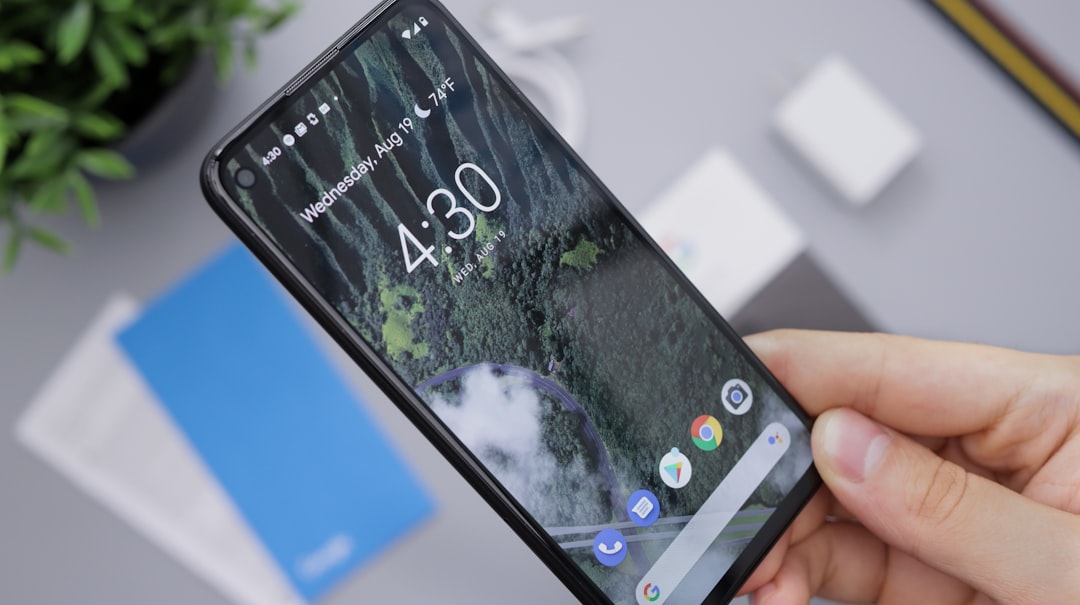
In Ogden, as across the nation, consumers are increasingly affected by robocalls, which can be frustrating and even harmful. It’s important to know your rights and resources when it comes to stopping these automated calls. The Telephone Consumer Protection Act (TCPA) provides substantial protections for individuals against unwanted phone marketing calls, including robocalls. According to the Federal Trade Commission (FTC), more than 40 million robocalls are made daily in the U.S., highlighting the urgent need for consumers to understand their options.
One effective strategy is to report these calls to relevant authorities. The FTC and local law enforcement agencies offer robust mechanisms for documenting and addressing robocall complaints. By filing a complaint, you contribute to building a case against malicious call centers and can help prevent others from becoming victims. For instance, Utah’s Do Not Call Registry, administered by the Utah Department of Commerce, allows residents to register their phone numbers to reduce unwanted calls. Additionally, engaging the services of an experienced Do not call attorney in Utah can provide legal recourse against persistent robocallers.
Practical steps include saving evidence such as call records and voicemails, documenting the frequency and nature of the calls, and using tools provided by consumer protection agencies to file complaints. It’s crucial to remain vigilant and proactive, as blocking numbers alone may not be sufficient. By exercising your rights and utilizing available resources, you can play a significant role in reducing robocalls and fostering a safer communication environment.