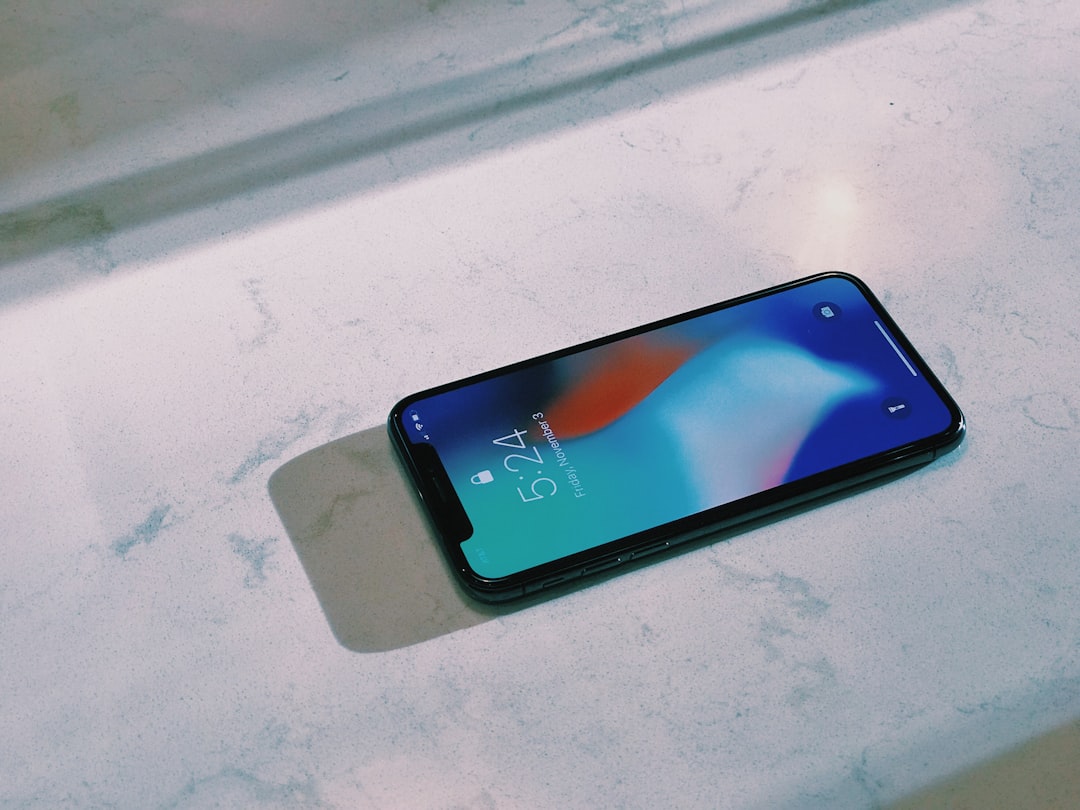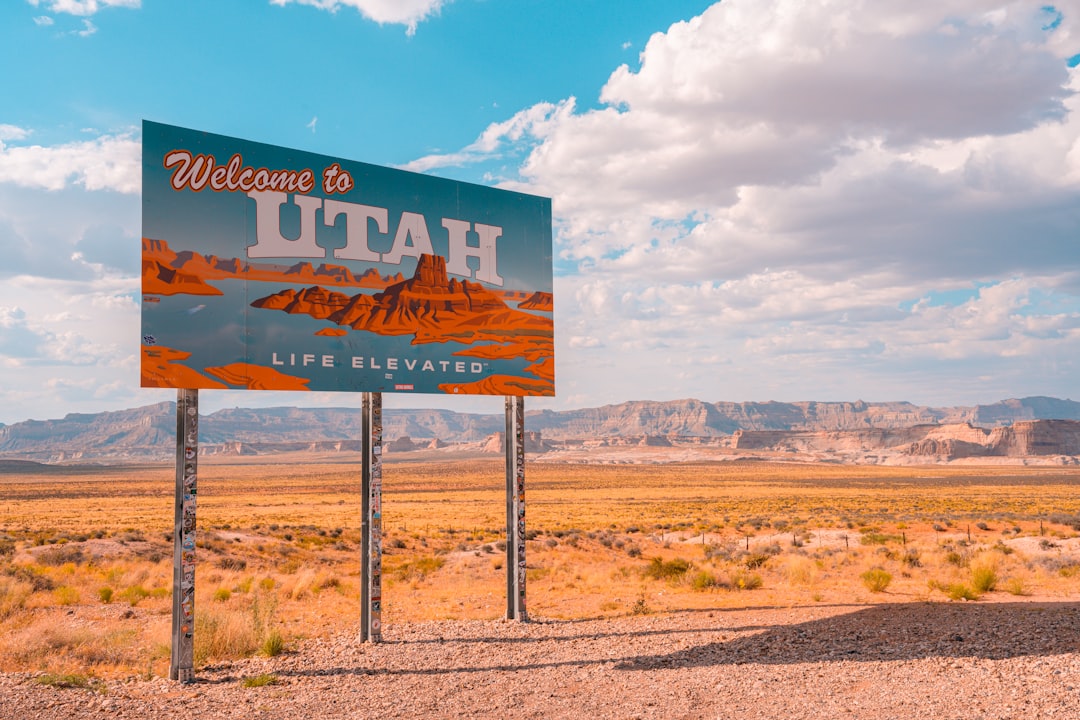
Utah residents enjoy robust consumer protections through the Telemarketing Sales Rule (TSR) and a comprehensive "Do Not Call" registry, which allows them to opt-out of unsolicited commercial calls. Over 21 million Utahns have registered on the National Do Not Call Registry, underscoring strong state support for privacy rights. Charitable organizations and political campaigns are exempt but must offer opt-out options. Residents should stay informed, register their numbers, avoid explicit consent for sales calls, and document unwanted calls to protect themselves from potential fines for telemarketers. A specialized Do not call law firm Utah enforces these regulations strictly. To safeguard against telemarketing intrusions, residents should register for the state's Do Not Call list, opt out of automated messages, protect personal information online, and regularly update digital privacy settings.
In today’s digital age, understanding telemarketing regulations is more crucial than ever for Utah residents facing relentless calls from unfamiliar numbers. The Do Not Call law firm Utah has seen a surge in requests for assistance navigating these complex laws. This guide aims to demystify telemarketing rules, empowering Utah citizens to take control of their phone lines. We’ll explore who’s regulated, what’s legal, and how to protect yourself from unwanted calls, ensuring you’re equipped with the knowledge to enforce your rights effectively.
Understanding Telemarketing Rights in Utah

In Utah, residents enjoy protections under the Telemarketing Sales Rule (TSR), designed to safeguard consumers from aggressive sales practices. This rule, enforced by the Federal Trade Commission (FTC), sets clear guidelines for telemarketers operating within the state. One of the key provisions is the “Do Not Call” registry, which allows individuals to opt-out of unsolicited calls. Utah residents can register their phone numbers with this list, effectively blocking calls from most commercial telemarketers. This powerful tool empowers citizens to take control of their communication preferences.
An interesting aspect of Utah’s telemarketing landscape is the specific treatment of charitable organizations and political campaigns. These entities are generally exempt from the strictest TSR regulations, including the Do Not Call rules. However, they must still provide a clear and conspicuous opt-out option if a consumer requests it. For instance, a Utah resident receiving calls from a non-profit organisation can assert their right to be removed from future calls, ensuring a more peaceful home environment. Understanding these exemptions is crucial for consumers who wish to exercise their rights effectively.
Practical advice for Utah residents facing telemarketing calls involves staying informed and knowing their rights. If a Do Not Call request has been made and calls persist, residents can file a complaint with the FTC or the Utah Department of Commerce. Data suggests that such actions often prompt swift responses from telemarketers, who are subject to substantial fines for non-compliance. Additionally, consumers should be wary of false claims or aggressive tactics, as these may indicate fraudulent activities, prompting an immediate report to relevant authorities.
Navigating Do Not Call Laws: A Resident's Guide
In Utah, telemarketing regulations are governed by both state and federal laws, with a primary focus on respecting residents’ privacy and consumer rights. One of the most significant aspects for Utah citizens to understand is the Do Not Call law, designed to curb unwanted sales calls. The Federal Trade Commission (FTC) enforces the National Do Not Call Registry, which is a national database that allows consumers to opt-out of telemarketing calls. According to FTC data, over 21 million Utah residents have registered their phone numbers on this list. This significant adoption rate underscores the state’s commitment to consumer protection and privacy rights.
Do Not Call laws are stringent, prohibiting most telemarketers from calling residential telephone numbers without prior express consent. Violations can result in substantial fines for telemarketing firms or law firms acting as representatives. For instance, a Utah-based law firm specializing in Do Not Call lawsuits has successfully represented numerous clients, securing settlements and judgments that highlight the serious consequences of non-compliance. This robust enforcement environment serves as a powerful incentive for businesses to adhere strictly to these regulations.
To navigate these laws effectively, Utah residents should familiarize themselves with their rights under the Do Not Call law. First, register your number on the National Do Not Call Registry online or via phone. Next, be wary of sales calls; if you haven’t given explicit permission, politely decline and ask to be removed from the caller’s list. Keeping detailed records of unwanted calls can also be beneficial when filing complaints with regulatory bodies. Remember, staying informed and proactive is key to safeguarding your privacy in Utah’s telemarketing landscape.
Protecting Your Privacy: Enforcing Telemarketing Regulations
In Utah, as across the nation, telemarketing regulations are designed to protect consumers’ privacy and prevent intrusive sales practices. The Do Not Call law firm Utah residents can invoke is a powerful tool against unwanted calls. This law prohibits telemarketers from making phone calls to individuals who have registered their numbers on the state’s “Do Not Call” list. Compliance with this regulation not only avoids legal repercussions but also fosters trust between businesses and consumers.
Beyond the Do Not Call list, Utah residents should be aware of other privacy protections. For instance, the Telemarketing Sales Rule (TSR) implemented by the Federal Trade Commission (FTC) sets standards for telemarketers across the country. These standards include disclosure requirements, opt-out provisions, and restrictions on certain practices like automated calls without prior consent. Businesses that fail to adhere to these regulations can face significant fines and legal action.
To protect your privacy, Utah residents should take proactive steps. Registering for the state’s Do Not Call list is a crucial first step. Additionally, being mindful of call preferences—such as opting out of automated or prerecorded messages—is essential. Keeping personal information private online also helps prevent unwanted telemarketing calls. For instance, sharing phone numbers or email addresses on public forums or social media platforms can increase exposure to sales calls. Regularly reviewing and updating privacy settings on digital devices and accounts is a practical way to maintain control over who has access to your contact information.