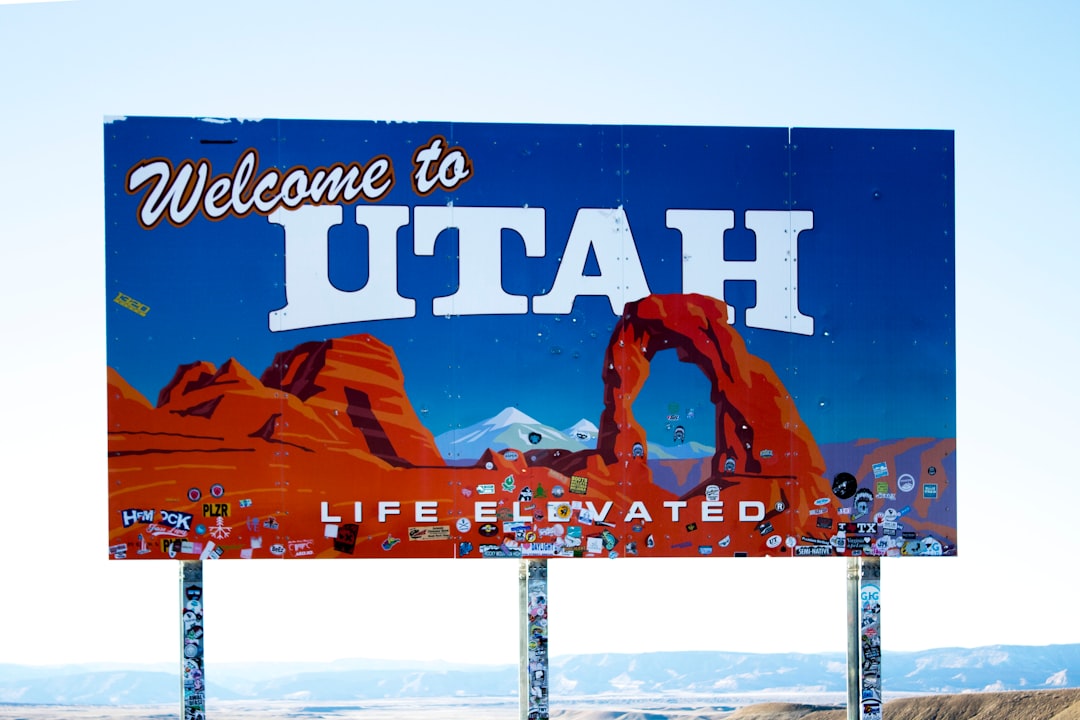
Utah's telemarketing landscape is governed by stringent regulations, primarily the Utah Consumer Sales Practice Act (UCSPA) and a robust Do Not Call Law Firm. Businesses must:
– Obtain explicit consent before making sales calls.
– Provide opt-out options in every communication.
– Update privacy policies to comply with UCSPA.
– Implement internal policies, use technology solutions for compliance tracking, and conduct regular reviews of telemarketing procedures.
Adherence builds consumer trust and ensures success in the Utah market. Non-compliance results in fines up to $100 per call. Key provisions include a comprehensive Do Not Call registry, restrictions on prerecorded messages, and requirements for caller identification.
In the dynamic landscape of modern commerce, telemarketing plays a pivotal role in business strategies, yet its regulation remains complex. Utah’s Do Not Call law stands out as a crucial component in balancing consumer privacy with economic interests. The intricate nature of this legislation requires meticulous navigation to ensure compliance without stifling legitimate marketing efforts. This article delves into the intricacies of state law and offers practical insights for businesses navigating Utah’s telemarketing regulations, ultimately fostering a harmonious environment where commerce thrives while consumer rights are protected.
Understanding Utah's Telemarketing Landscape: A Legal Perspective

Utah’s telemarketing landscape is shaped significantly by its state law, particularly the Do Not Call law firm Utah residents have come to rely on for privacy protection. The Utah Consumer Sales Practice Act (UCSPA) plays a pivotal role in regulating telemarketing practices within the state. This legislation provides a robust framework aimed at ensuring consumer rights and preventing aggressive sales tactics. Key provisions include restrictions on making telemarketing calls without prior consent, allowing consumers to register their numbers on do-not-call lists, and imposing penalties for violations.
One unique aspect of Utah’s approach is its focus on educating consumers about their rights. The state actively promotes awareness through public campaigns, ensuring that residents are informed about how to protect themselves from unwanted calls. This proactive stance has led to a relatively higher level of compliance among telemarketers operating in Utah. For instance, data from the Utah Attorney General’s office indicates a steady decline in complaints related to telemarketing over the past few years, suggesting an effective implementation and understanding of the law.
Practical insights for businesses navigating this landscape include obtaining explicit consent before initiating telemarketing calls, providing clear opt-out options, and regularly reviewing and updating privacy policies. Compliance with Utah’s Do Not Call law is not merely a legal requirement but also a strategic move to build consumer trust and maintain a positive brand image. Businesses that prioritize adherence to these regulations are more likely to foster lasting relationships with their customer base, ensuring long-term success in the competitive Utah market.
The Do Not Call Law Firm in Utah: Rules and Regulations Explained

In Utah, the Do Not Call Law Firm plays a pivotal role in regulating telemarketing practices, ensuring consumer privacy and protection. The state’s law is stringent and comprehensive, designed to prevent unwanted phone calls from persistent telemarketers. At its core, this legislation mandates that businesses adhere to strict guidelines when engaging in outbound telephone marketing campaigns.
The Do Not Call Law Firm in Utah operates by establishing a registered list of numbers exempt from telemarketing calls. Consumers can register their landlines and cell phones with this firm, opting out of receiving sales or promotional calls. This process is simple and effective, providing individuals with control over their communication preferences. Importantly, the law stipulates that businesses must honor these opt-out requests within 30 days, ensuring compliance and respect for consumer choices.
For businesses operating in Utah, understanding and adhering to these regulations are essential to avoid legal repercussions. Non-compliance can result in substantial fines, with penalties reaching up to $100 per call made to a registered number in violation. To ensure practical adherence, companies should implement robust internal policies and employ technology solutions that facilitate compliance tracking. Regular reviews of telemarketing procedures and staff training sessions on the Do Not Call Law Firm’s protocols are recommended strategies for maintaining compliance.
Consumer Protection: Key Provisions in Utah Telemarketing Laws

Utah’s telemarketing regulations prioritize consumer protection, featuring a robust Do Not Call law and stringent requirements for telemarketers operating within its borders. The state’s laws aim to balance the needs of businesses engaging in outbound sales with the rights of residents to control their communication preferences. A key provision is the Utah Do Not Call Act, which establishes a comprehensive registry allowing consumers to opt-out of unsolicited calls. This registry is administered by the Utah Department of Commerce, ensuring compliance and providing a clear framework for businesses to follow.
Telemarketers must obtain explicit consent from residents before making any sales calls. This includes obtaining verbal or written permission, with strict penalties for violations. Furthermore, Utah law mandates that callers identify themselves and the purpose of their call, offering consumers the right to refuse further contact. Any failure to adhere to these guidelines can result in substantial fines, reaching up to $100 per violation. To protect against spams calls, Utah also restricts the use of prerecorded messages and automatic dialers without prior consumer consent.
Practical advice for businesses operating in Utah involves thoroughly reviewing the state’s regulations and implementing robust internal policies. Regular training sessions for telemarketers on compliance matters are essential. Businesses should maintain detailed records of consumer opt-out preferences, ensuring timely updates to their calling lists. Additionally, leveraging technology to automate compliance checks can help minimize errors and stay aligned with Utah’s strict standards. By adhering to these provisions, companies not only avoid legal repercussions but also build consumer trust, fostering a more transparent and reputable business environment in the state.
Navigating Industry Best Practices: Compliance Strategies for Businesses

Navigating Industry Best Practices: Compliance Strategies for Businesses Operating within Utah’s Legal Framework
Businesses engaging in telemarketing activities in Utah must carefully tread through a landscape of regulations, with state laws playing a pivotal role in dictating compliance requirements. One paramount consideration is Utah’s strict implementation of the Do Not Call law, which aims to safeguard residents from unwanted sales or marketing calls. This legislation not only mandates obtaining explicit consent before initiating telemarketing efforts but also sets forth robust penalties for non-compliance, including substantial fines and legal repercussions. For instance, businesses found guilty of violating this law can face up to $100 per call in civil penalties, with additional damages if a consumer sues for invasion of privacy.
To ensure adherence, companies should adopt comprehensive compliance strategies that go beyond mere awareness. Implementing robust do-not-call mechanisms, such as integrating opt-out options within each communication and regularly auditing contact lists to remove any invalid or inactive numbers, is paramount. Additionally, training employees on the nuances of Utah’s telemarketing laws and best practices can significantly reduce the risk of accidental non-compliance. For example, clearly defining terms like “prior express consent” and “automated dialing system” through internal training materials can help prevent costly mistakes.
Beyond these foundational steps, businesses should proactively seek legal counsel to gain a deeper understanding of Utah’s evolving telemarketing regulations. Staying informed about recent legislative changes and their implications is crucial for maintaining compliance over time. As the legal landscape shifts, so too do industry best practices. Therefore, regular consultations with experts can provide valuable insights into navigating this labyrinthine regulatory environment, fostering a culture of compliance that protects both businesses and consumers alike.