
Utah and Salt Lake City enforce strict telemarketing regulations to protect residents from intrusive calls. The Telephone Consumer Protection Act (TCPA) complements Utah's "Do Not Call Attorneys" law, enabling citizens to register on a state-maintained list. Strict rules govern call timing, content, and respect for "Do Not Call" lists, with penalties for non-compliance. Marketers must obtain explicit consent, handle data securely, and maintain transparency, fostering ethical practices and consumer trust, especially among Utah's legal professionals.
In Salt Lake City, understanding telemarketing regulations is crucial for businesses aiming to comply with laws while reaching their target audience. This comprehensive guide navigates the intricate landscape of telemarketing in Utah, focusing on key aspects like telemarketing laws and the Do Not Call Registry. We explore legal limits for outbound calls, privacy and data protection rules, and best practices for responsible telemarketing. For expert guidance, consider consulting Do Not Call attorneys in Utah to ensure your strategies remain compliant.
Telemarketing Laws in Utah: An Overview

In Utah, telemarketing regulations are governed by both state and federal laws, ensuring consumer protection from aggressive or unwanted sales calls. The Telephone Consumer Protection Act (TCPA) sets national standards for prerecorded messages and automated dialers, while Utah's specific laws target phone solicitation practices.
Utah's Do Not Call Attorneys law empowers residents to register their telephone numbers on a state "do not call" list, effectively banning most telemarketing calls. This list is actively maintained and regularly updated, providing a robust mechanism for citizens to control their privacy and reduce unwanted sales interactions. Additionally, Utah has established guidelines regarding the content and delivery of telemarketing messages, including restrictions on certain types of calls during specific hours, further emphasizing the state's commitment to consumer rights and peace of mind.
Do Not Call Registry: How It Works
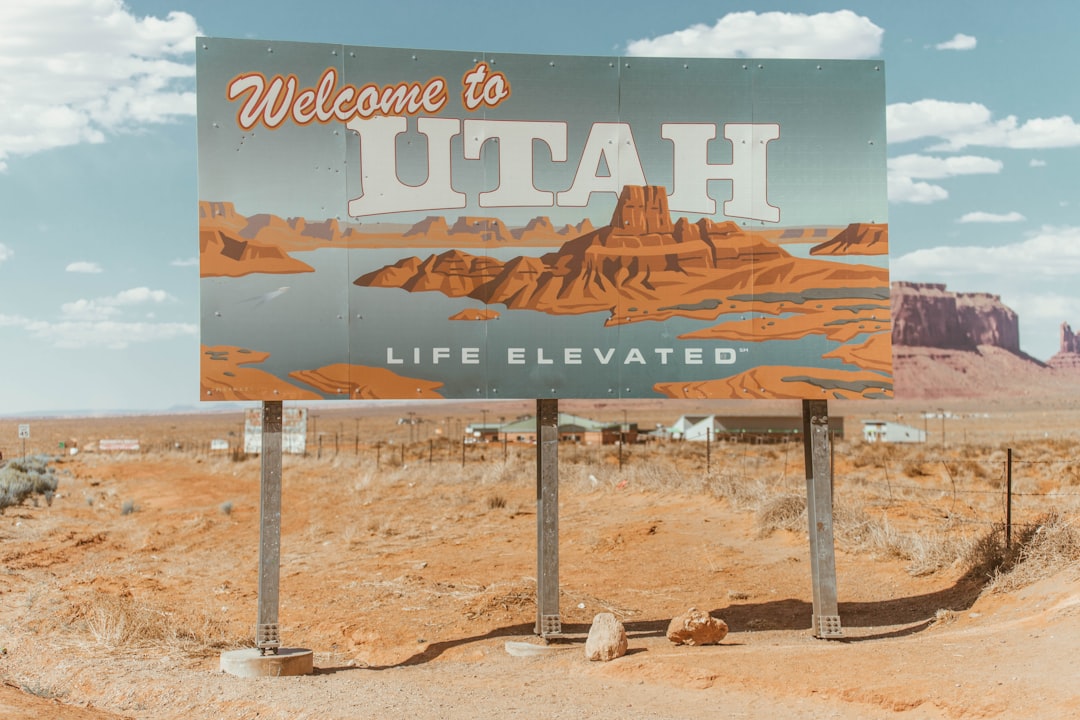
In Salt Lake City, as across the US, the National Do Not Call Registry plays a vital role in regulating telemarketing practices. This registry allows consumers to opt-out of unsolicited phone calls from telemarketers. The process is straightforward; individuals can register their phone numbers online or through designated state agencies. Once registered, businesses and telemarketers are prohibited from calling those numbers without explicit consent.
Do Not Call attorneys in Utah enforce these regulations, ensuring that companies comply with the law. Violations can result in fines, making it crucial for telemarketing firms to respect consumer choices. This initiative fosters a more harmonious relationship between businesses and residents, protecting Salt Lake City residents from unwanted calls while promoting ethical marketing practices.
Legal Limits for Outbound Calls
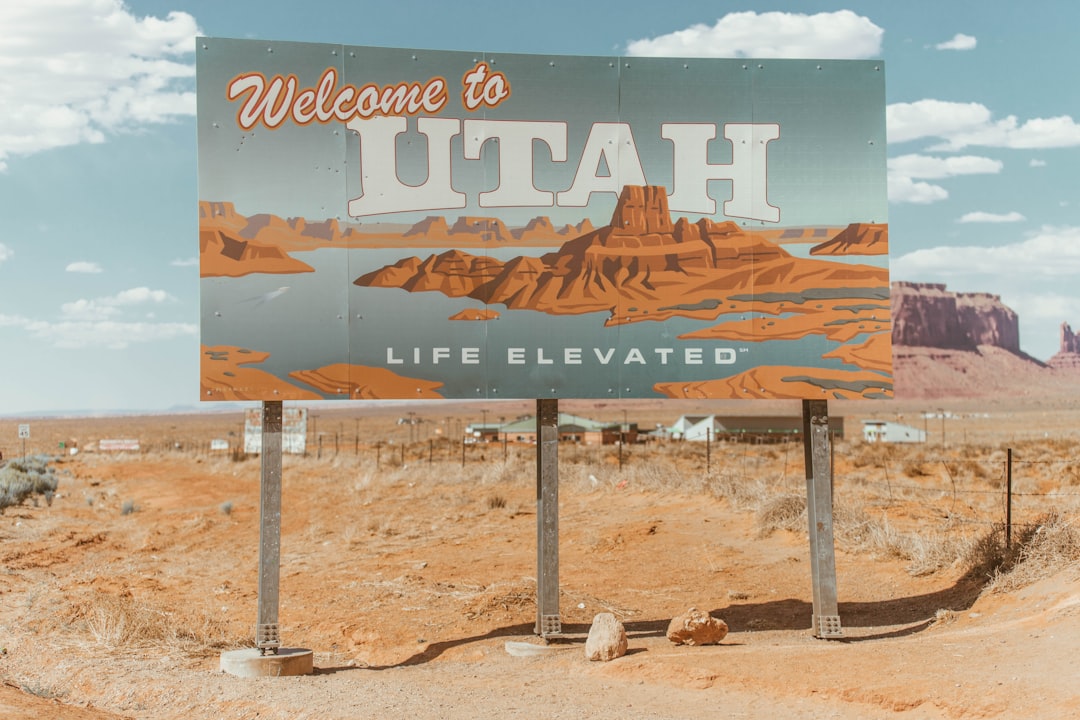
In Salt Lake City, telemarketers must adhere to strict regulations regarding outbound calls, especially when contacting residents in Utah. One of the key aspects is respecting the "Do Not Call" lists. Businesses are prohibited from making outbound sales or marketing calls to numbers listed on these registries. This includes not only telephone numbers but also any electronic communication channels.
The legal limits for outbound calls further restrict telemarketers, who must ensure that their activities do not infringe upon individual privacy rights. Calls should be made during acceptable hours, typically between 8 a.m. and 9 p.m., local time, unless the recipient provides consent for alternative timing. These regulations are in place to safeguard Utah residents from unsolicited calls and promote fair business practices.
Privacy and Data Protection Rules
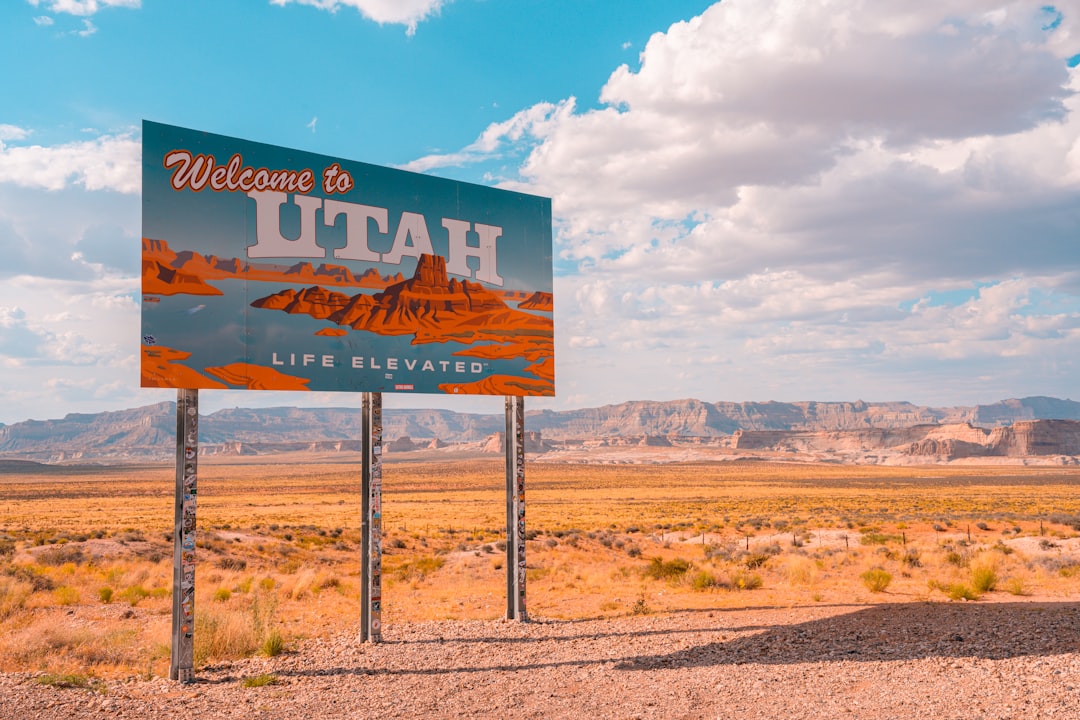
In Salt Lake City, telemarketing activities are subject to stringent privacy and data protection rules, designed to safeguard residents' personal information. Companies engaging in outbound calls must comply with the Telephone Consumer Protection Act (TCPA) and Utah's Do Not Call Registry. This legislation restricts unwanted phone marketing calls and provides consumers with the right to opt-out of receiving such communications. Businesses are prohibited from using automated dialing systems or prerecorded messages without prior explicit consent, ensuring residents' privacy is respected.
Additionally, companies must handle customer data securely and transparently. They should inform individuals about the types of information collected, the purposes for which it will be used, and their rights regarding data access and deletion. Utah's privacy laws emphasize the importance of clear communication and consumer consent, especially when dealing with sensitive personal details. Businesses that fail to adhere to these regulations may face penalties, underscoring the need for telemarketers to operate responsibly and ethically.
Best Practices for Responsible Telemarketing

In Salt Lake City, responsible telemarketing practices are essential to maintaining a harmonious relationship between businesses and consumers. One key guideline is adhering to the "Do Not Call" lists, which include attorneys in Utah. Businesses should exhaustively verify and update their call lists regularly to ensure compliance, minimizing unwanted calls and enhancing customer satisfaction.
Additionally, transparency and consent are pivotal. Marketers must clearly identify themselves, explain the purpose of the call, and obtain explicit consent before proceeding. Respecting consumer privacy is paramount; sensitive data should be handled with care, and calls should not be made at inconvenient times. By embracing these best practices, telemarketing efforts can become more effective while fostering trust and respect among potential clients.